

In this guide
Choose the kind of first hour you want
An open-world map can offer a story, a landscape, a combat system and a collection of small distractions at the same time. Before choosing a destination, decide what you want to understand first. You might want to learn the controls, meet the central characters or simply discover whether travelling through the world feels enjoyable.
Make the plan small enough that it can survive a detour. “Learn one route and complete the next story step” is more useful than “make good progress”. If a tutorial or opening mission is still introducing essential actions, give it your attention before treating every distant landmark as an immediate obligation.
Learn a safe return route
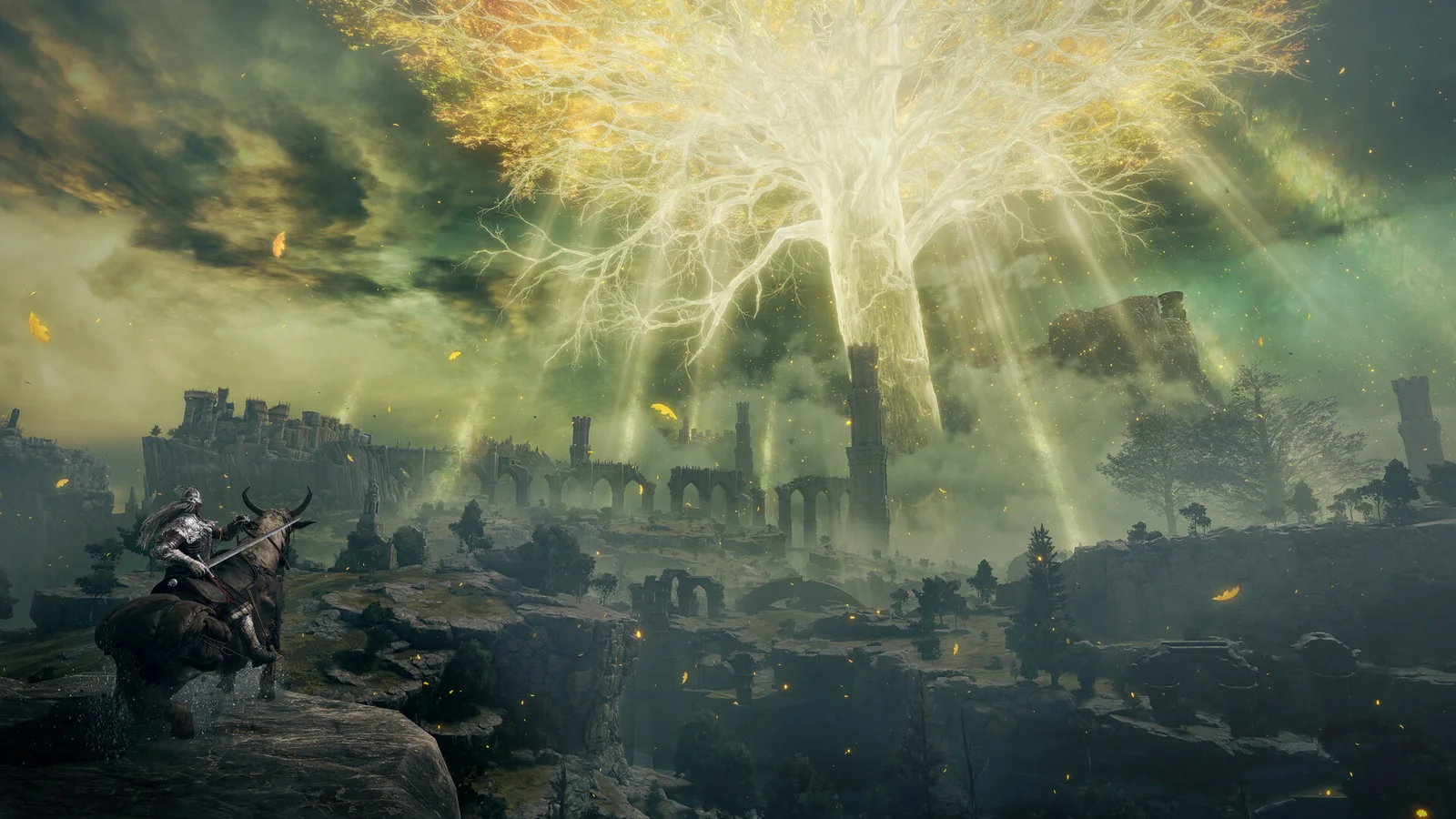
A memorable journey has somewhere to begin and somewhere sensible to end. In Elden Ring, discovered Sites of Grace and map markers help organise exploration. Resting restores resources and also resets most defeated enemies. In Minecraft, the needs of a Survival outing differ from an experiment in Creative. The same broad label can hide different travel risks.
At the start of an outing, notice how you will return. Recognise a junction, a landmark or a route you can describe in words. Take the supplies that suit the activity and leave yourself a stopping condition. That could be returning with a missing material, reaching a destination or learning why a path is difficult.
Read the environment before opening another guide
Use the game’s own information first: the current objective, an item description, a sign, a character’s instructions or the shape of the terrain. These details often answer a narrower and more useful question than a broad search for the best opening route. A guide becomes easier to use when you can name the problem it needs to solve.
For example, Cyberpunk 2077 offers different approaches through weapons, hacking, perks and cyberware. Before copying a complete build, decide what you want an encounter to let you do. In Genshin Impact, climbing, swimming and gliding make terrain relevant to exploration. Looking for a place to pause can be more helpful than heading directly toward a marker.
Keep a story thread intact
Following every new activity as soon as it appears can make a world feel busy while leaving its main characters hard to remember. Try grouping some sessions around a person, a district or a chapter of the story. Finish a sensible stretch before switching attention to a different kind of objective.
That does not mean avoiding distractions. It means choosing which discoveries deserve a change of plan. If an abandoned building looks interesting but you are halfway through another thread, leave a short note and return later. A location with a reason attached is more inviting than an unexplained marker or a long list of unfinished tasks.
Measure learning as well as completion
An outing can be successful without clearing a large area. You may have learned a weapon’s timing, found a route that connects two familiar places or discovered a resource needed for a project. Name the result precisely. “I can reach the bridge without getting lost” explains more than “I played for an hour”.
When something goes wrong, separate the possible causes. Were you missing a resource, unfamiliar with a control or attempting a challenge that needs another approach? Choose one change for the next visit. This keeps repeated attempts informative and gives you a reason to explore elsewhere when the current route stops teaching you anything.
Stop with an invitation to return
Before leaving, write down three small pieces of context: where you are, what you were trying to do and the next action that would make sense. Add a character’s name or a landmark if it will help you reconnect with the story. You do not need a complete personal wiki.
On the next visit, use that note as a starting point rather than a contract. If your mood has changed, choose a different outing. The aim is a world you want to return to, with enough structure to make decisions easier and enough room for curiosity to change the route.
Common questions
Should I complete every activity before leaving an area?
Only if that is the kind of session you enjoy. A region can remain a place to revisit. Choose a clear purpose for the current outing and keep interesting unfinished discoveries as future options.
When is a walkthrough useful?
Use one when you can identify the question: an unclear requirement, a control you missed or a route you cannot understand. Choose a spoiler level that fits what you still want to discover yourself.
Sources and further reading
Bandai Namco — Elden Ring starter guide ↗