

In this guide
Start with the decisions you want to make
“RPG” can describe a story shaped by conversations, a difficult action game, a shared online world or a life built around a farm. The label is a useful shelf, but it is too broad to explain your next session. Ask which decisions you want to spend time making: choosing an ability, planning a party, exploring a character or managing a personal project.
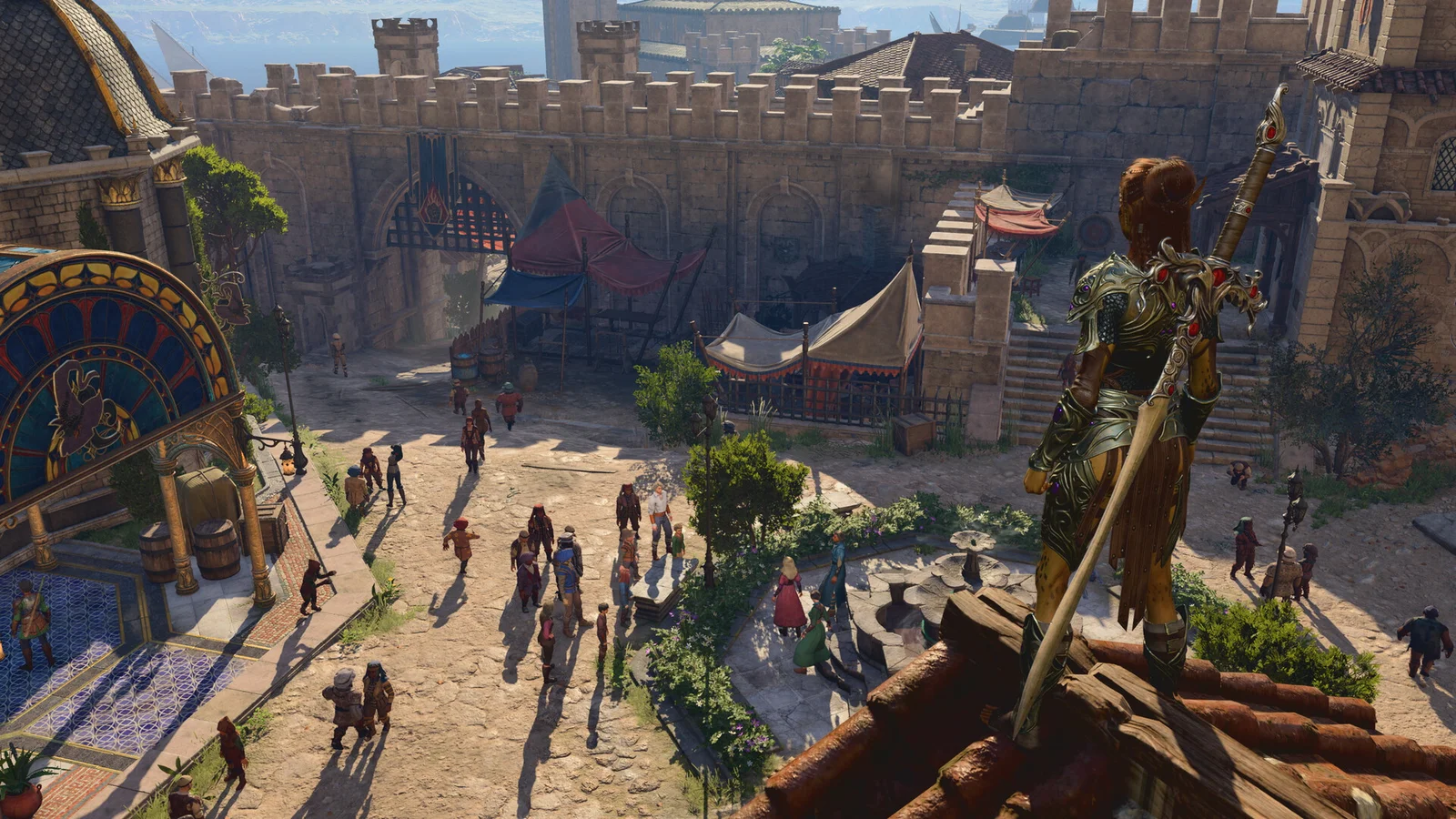
Baldur’s Gate 3 gives you a party and turn-based encounters alongside conversations and exploration. Elden Ring ties character growth to action, observation and travel through a connected world. Stardew Valley combines farm development with activities and relationships in the surrounding community. Those examples invite different kinds of attention even when they share elements of progression.
Compare combat rhythm before complexity
A game can be complicated in ways you enjoy or in ways that interrupt the experience you wanted. Turn-based combat gives you time to consider a move, but can ask you to understand several characters and interacting rules. Action combat places more decisions inside movement and timing. Neither rhythm is inherently easier or more rewarding for everyone.
Look at an ordinary encounter rather than only a spectacular boss trailer. Ask what the player repeats: selecting actions, maintaining distance, reading an animation or rotating between party members. Consider whether you want to learn that loop now. A slower presentation can still demand a lot of planning, while a fast-looking game may become clearer once one familiar weapon or ability makes sense.
Decide what kind of character ownership matters
Creating a character, shaping a named protagonist and guiding a group are different ways to feel involved in a role. Cyberpunk 2077 places you in V’s story while letting weapons, perks, hacking and cyberware support different approaches. Larian’s description of Baldur’s Gate 3 offers both custom and Origin characters, with companions bringing their own perspectives.
Ask which freedom matters to you. Do you want to invent a background, choose how someone responds to a dilemma or build an effective set of abilities? Do you want companions whose views sometimes challenge yours? A small number of meaningful choices may suit you better than an enormous character creator attached to a style of play you do not enjoy.
Choose a world you can return to
A continuing online game and a personal story campaign create different reasons to return. World of Warcraft organises characters around classes and group roles, while Old School RuneScape supports varied skill and quest goals. Their communities can be part of the attraction, but the presence of many other players does not decide how you personally need to spend every session.
Think about the routine you would welcome. You might want a regular evening with friends, quiet progress toward one requirement or a story you can leave for a while. Describe that routine before considering endgame guides. Check the game version, account requirements and the specific multiplayer arrangement you need at the original source before making a purchase or arranging a group.
Try a comparison built around three questions
Shortlist a few games and answer the same questions for each. What will I do repeatedly? What would I look forward to learning? What might make me stop after the opening? Use game-specific descriptions rather than broad praise such as immersive or epic. “Plan several characters’ turns” is something you can assess; “the best RPG ever” is someone else’s conclusion.
If two choices still look close, identify the real tie-breaker. It might be the combat rhythm, the amount of dialogue or the importance of a shared schedule. Look for official gameplay that demonstrates that particular feature. An attractive screenshot can establish atmosphere, but it cannot explain every system that will occupy the rest of the session.
Give the opening a fair, limited trial
A first session should answer a few questions, not force a verdict on a vast game. Let the opening teach the actions it expects you to use, then notice whether those actions make you curious. Keep a note of what clicked and what remained confusing. Confusion about one menu is different from disliking the basic rhythm.
Decide on a small next step before committing to a much larger plan. Try another encounter with the same party, complete a modest farm project or explore one new route. If you do continue, you will have a reason of your own. If you stop, you will understand what you want to look for in the next game.
Common questions
Is a larger game automatically better value for my time?
Consider whether you want to repeat its central activities. A smaller adventure you regularly choose can be more useful to your collection than a large one you feel obliged to finish.
Should I pick the most recommended RPG first?
Use recommendations to discover candidates, then compare them with your own preferences. Combat rhythm, dialogue, group commitments and the kind of character choices you enjoy can matter more than a general ranking.
Sources and further reading
Larian Studios — About Baldur’s Gate 3 ↗
Bandai Namco — Elden Ring starter guide ↗
ConcernedApe — About Stardew Valley ↗