

In this guide
Separate an interest from a commitment
A saved title can mean several things: you like its atmosphere, a friend mentioned it, you own it or you intend to play it soon. Those meanings become confusing when they share one enormous mental list. Begin by deciding what a game’s place in your collection currently means to you.
Use a small set of understandable states. A game you want to investigate does not need the same attention as the story you are actively following. A completed personal goal does not require you to stop playing, and pausing a game does not make its previous sessions pointless. Your collection is useful when it describes choices you still want to make.
Write a reason that belongs to the game
“Play more” leaves you with the same decision next time. A useful note names something you want to do in that particular game: try a different approach to an Elden Ring encounter, finish a room in Minecraft or follow one character’s story in Cyberpunk 2077. The note should remind you why that activity sounded interesting.
Keep the reason small enough to act on. If it expands into a complete walkthrough, extract the first meaningful step and leave the rest as possibilities. Distinguish learning a control from completing a chapter. Both can matter, but they ask for different kinds of attention and give you different evidence that the session went well.
Choose an active collection that fits your week
There is no ideal number of games to keep active. The important question is whether you can remember what brings you back to each one. A story with many characters, a multiplayer routine and an open-ended building project create different demands on your attention. Several very similar commitments can compete for the same evening.
Try keeping a short active list that covers the sessions you commonly want. You might have a story to continue, a familiar game for a shorter visit and something arranged with friends. Review the list when it stops making choices easier. Move a title out of the active group without erasing the note that would help you return.
Build stopping points into your plans
A plan becomes easier to start when you know what a satisfactory stopping point could look like. It might be completing an outing, understanding an ability or reaching the end of a small task. Choose something you can recognise rather than a vague promise to make progress for as long as possible.
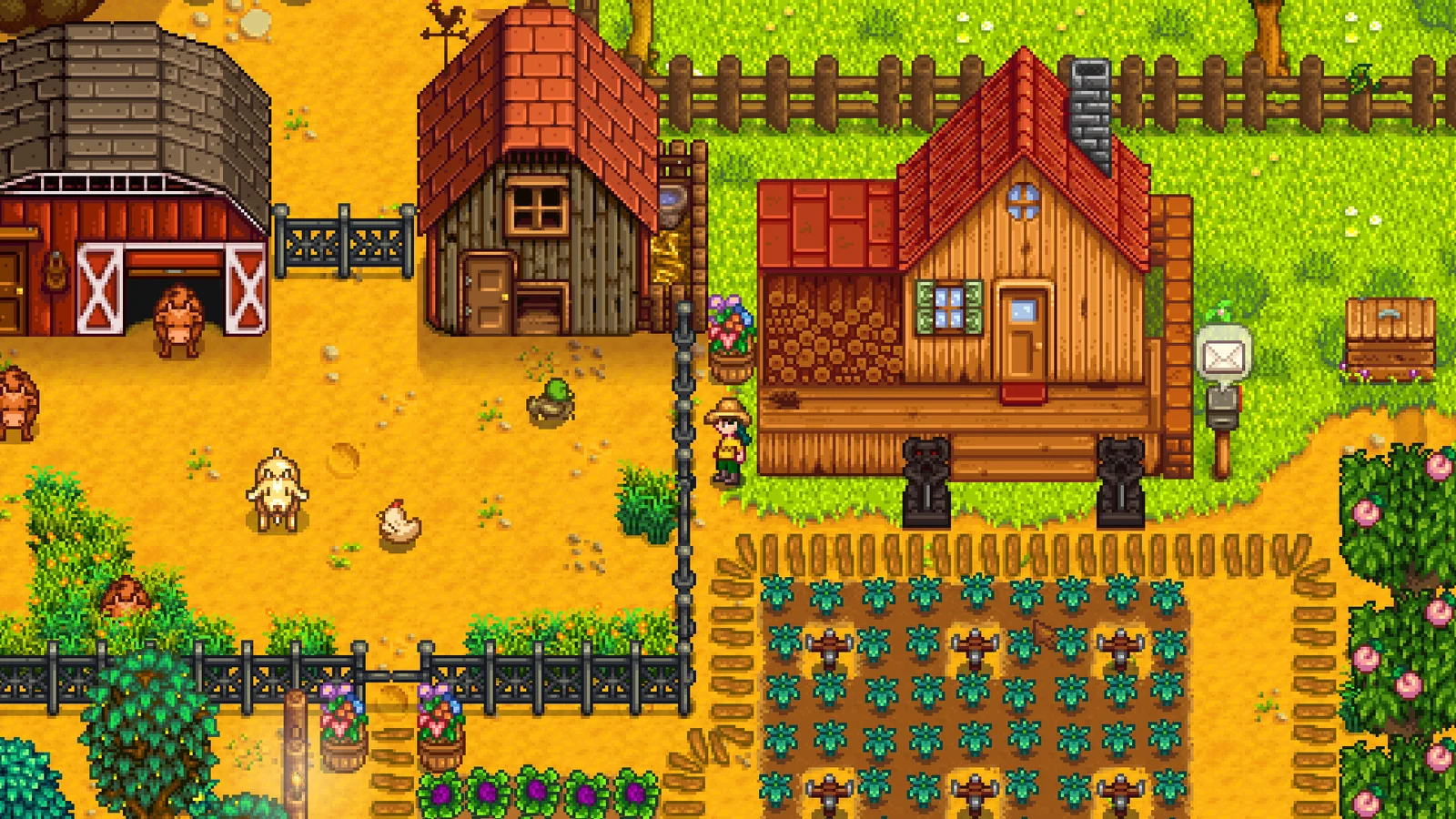
In Stardew Valley, activities around the farm, town, mines and fishing spots can each give a session its own purpose. In a party-based RPG, learning how one character supports another can be enough for an evening. These are examples of personal goals, not universal completion requirements. Change the goal if it begins to turn an enjoyable activity into a chore.
Record what will help the next visit
A useful session note answers the questions that future you is likely to ask: where was I, what did I try and what should I do next? Add a person’s name, a landmark or an unresolved question when it provides context. A brief note written at the end can save a long period of rediscovery later.
You do not need to score every session or turn enjoyment into a spreadsheet. Record the detail you are likely to forget. For a difficult encounter, that could be the attack you finally recognised. For an exploration game, it could be a path you deliberately left for later. The note should make returning easier, rather than creating another task to maintain.
Review the collection without making a completion contest
When the active list feels stale, ask what you still look forward to. Keep the games with a clear invitation to return and reconsider the ones whose only appeal is removing them from a list. You can pause a story, revisit a finished favourite or decide that an earlier purchase has already given you the sessions you wanted.
If you are about to buy something new, first check whether an existing game offers the same kind of evening. That question does not forbid a new choice; it makes the reason clearer. A collection succeeds when it helps you choose enjoyable time with games. The length of the unfinished list is a much less useful measure.
Common questions
Does completed have to mean every achievement?
Choose what it means in your own collection. Finishing a main story, meeting a personal challenge and exhausting every optional activity are different goals; label the one you actually intended.
What should I do with a game I might return to someday?
Keep a short return note and remove the immediate pressure to play it. A recognisable place, character or unfinished idea can be enough to reopen the door when the mood returns.
Sources and further reading
ConcernedApe — About Stardew Valley ↗