
Official launch gameplay trailer
Episode 1: IGNITION // Official Launch Gameplay Trailer - VALORANT
Source: VALORANT. Official Riot/VALORANT gameplay-focused announcement.

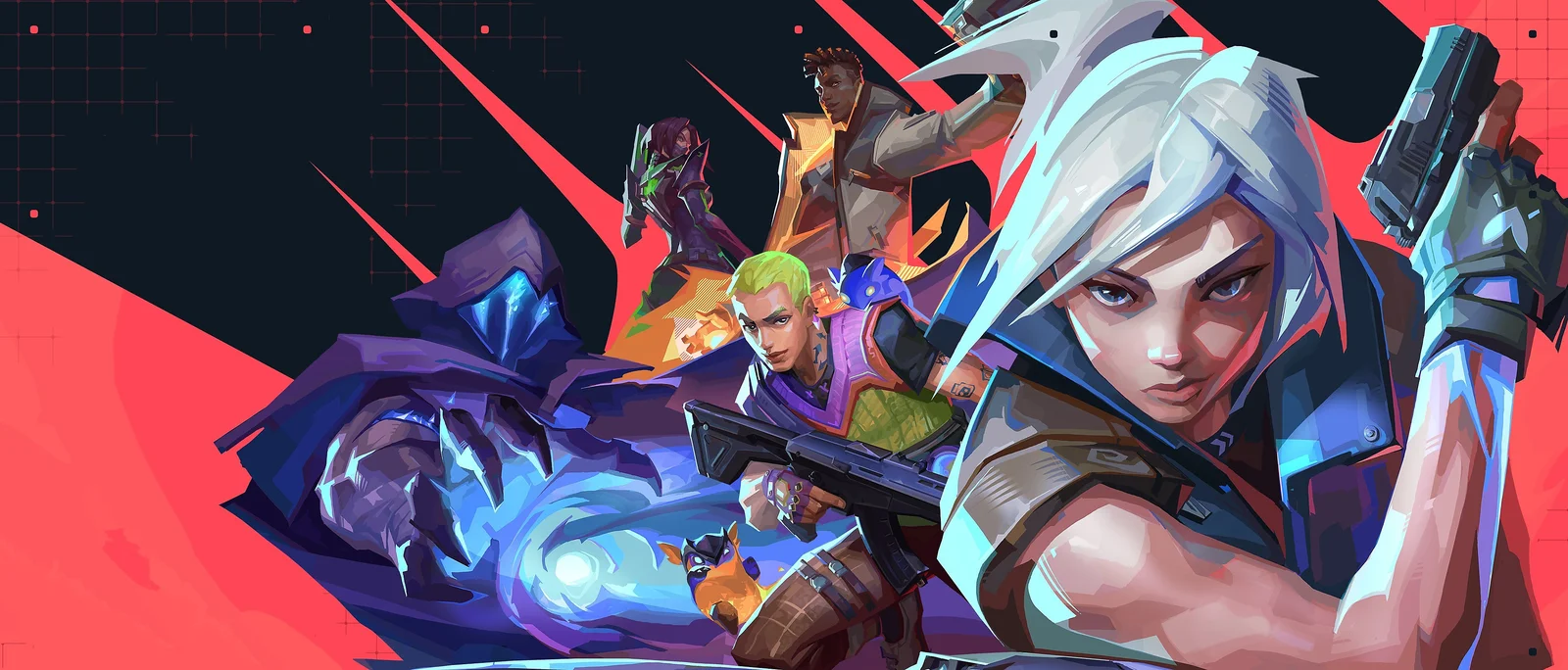
VALORANT combines a tactical shooting foundation with Agents who bring distinctive abilities to the team.
PlayNorio / from the source
Hand-picked videos matched to this exact game or edition. Player loading is optional; the original source stays one click away.
1 publisher-attributed video · Playback availability varies
Official launch gameplay trailer
Source: VALORANT. Official Riot/VALORANT gameplay-focused announcement.
PlayNorio is independent and not affiliated with the video creator. Preview images use game artwork rather than video frames. Third-party YouTube playback loads only after you choose Play. Embedding and playback availability are controlled by the video owner and YouTube.
VALORANT combines a tactical shooting foundation with Agents who bring distinctive abilities to the team. Riot describes its core experience as five versus five, with attacking and defending sides and a single life in each round. That structure makes information, positioning and coordinated timing valuable alongside accurate shooting. A new player benefits from understanding what one Agent contributes to a shared plan before trying to learn the entire roster or imitate advanced highlight plays.
Open an image for a closer look. Source and edition details are linked below each image.
VALORANT media supplied on the official PlayStation PS5 listing. Images belong to their respective rights holders. Commercial reuse review is pending.
The core round structure makes survival a meaningful resource. Before moving into a contested space, decide what the move is meant to accomplish and whether a teammate can support it. If a round ends quickly, review the information you had before the encounter. Practising an opening route with a consistent plan is more instructive than repeatedly rushing into unfamiliar angles. Different modes have different rules, so read the selected mode rather than assuming the same rhythm applies everywhere.
Riot describes Agent abilities as tools that create opportunities for gunplay. Pick an Agent whose descriptions you understand and learn when each ability helps your team move, hold space or gather useful information. Avoid using an ability merely because it is available; connect it to something the team intends to do. A simple, well-timed contribution can be easier to evaluate than a complicated sequence copied from a video without understanding the situation around it.
Each official map is built around team strategy, so learning its spaces matters. Choose a small practice goal such as keeping your aim ready as you approach a corner, communicating a location clearly or following a teammate's timing. Adjust controls and audio until they are comfortable, then keep them stable long enough to judge your progress. Consult Riot's current console and PC guidance for platform behaviour and available modes; this overview does not assume every platform plays together in one matchmaking pool.
Editorial suggestions based on the systems described above. These are starting ideas, rather than a claim of hands-on testing or advice for a particular patch.
The official site describes a 5v5 tactical shooter with distinct Agents, attacking and defending play, and one life per round in the core format.
No. Check Riot’s Console Guide for the current platform and account rules; cross-progression and matchmaking are different features.
An Agent’s ability becomes useful when it prepares a specific action. A blocked sightline might allow a crossing; information might help the team choose a site; a disruptive effect might create room for a teammate. Before using a tool, decide who can act on it. Spending an ability while the team is elsewhere can leave you without it when the shared plan finally begins.
VALORANT’s attacking and defending rounds revolve around different responsibilities around the Spike. On attack, arriving on a site is only part of the task: someone must be able to plant and the team must be ready for the response. On defence, an opponent’s presence does not always require an immediate solo challenge. Communicate what you have seen and consider whether teammates can help.
Riot’s beginner guidance links movement, sound, accuracy and spending decisions. For a practical exercise, keep one Agent familiar and focus on how you approach each angle. Notice whether you are exposing yourself to several positions, moving when you intend to shoot accurately, or making noise without a reason. These observations explain the circumstances of a duel rather than reducing every result to aim.
Before the next round, make one short statement about your intended contribution. For example: protect a crossing, help the first entry or preserve a useful ability for the retake. After the round, ask whether that opportunity happened. If it did not, identify why you changed the plan.
Learn what your chosen Agent contributes and become familiar with a few alternatives. Understanding common opposing abilities can then grow through matches and the official Agent information.
Use its purpose to judge the timing. Ask what information, space or protection it creates and whether you or a teammate can use that opportunity immediately.
Use the publisher or developer listing for current screenshots, trailers and product details. No video is embedded here without a title-specific source record.
The factual foundation for this profile comes from the first-party pages below, checked on 31 October 2026. The explanation and practical suggestions are PlayNorio’s editorial interpretation. Availability, service features and platform support can change.