
Official 2011 Portal 2 pre-release promotional trailer
Portal 2 — Pre-Release Trailer: Panels
Source: Official EA UK (official distribution partner).

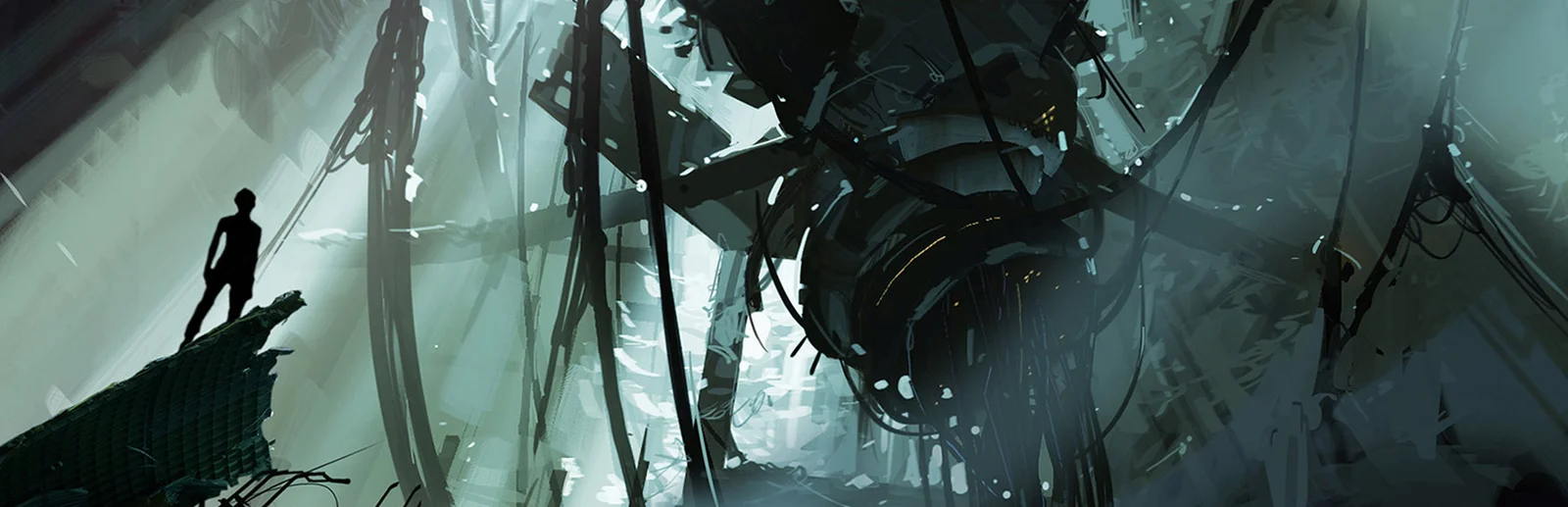
Solve clever physics puzzles alone or with a friend.
PlayNorio / from the source
Official, title-matched footage. Some videos cover older updates or expansions; check the exact type below. Video loads only when you select Play.
1 publisher-attributed video · Playback availability varies
Official 2011 Portal 2 pre-release promotional trailer
Source: Official EA UK (official distribution partner).
PlayNorio is independent of the creators. Embedded playback and availability are controlled by YouTube and the publisher. Do not treat promotional footage as uninterrupted gameplay.
Portal 2 turns movement through space into a puzzle. Playing as Chell, you return to the elaborate test facilities of Aperture Science, where a portal gun allows you to connect two surfaces and step, fall or launch between them. The single-player campaign pairs mechanical invention with a sharply written story and memorable performances. It frequently changes the conditions of a puzzle, introducing new devices and environmental rules at the point where players have begun to feel comfortable with the last idea. The result is a game built around satisfying moments of understanding rather than combat or collecting gear.
Open an image for a closer look. Source and edition details are linked below each image.
Images belong to their respective rights holders. Commercial reuse review is pending.
Momentum is crucial: entering one portal at speed can send you through another with enough force to cross a large gap. Later test chambers combine portals with devices such as excursion funnels, light bridges and gels that affect movement. Successful solutions involve observing the entire room and asking which surfaces or tools can interact, not simply where to place the next portal. Cooperative play adds two players and four portals, creating puzzles that require communication and precise timing rather than just dividing a single-player task between two people.
Take a few seconds to scan each chamber before moving. Identify surfaces that accept portals, the location of the exit and devices already available. When a solution seems impossible, consider whether momentum or a second use of the same tool changes the situation. In co-op, agree who is controlling each part of the room before attempting a timed action. Portal 2 is best enjoyed with time to experiment rather than a walkthrough open beside every puzzle.
Portal 2 uses a small set of physical rules to create elaborate spatial puzzles. A portal connects two compatible surfaces, and momentum carries through, so the solution often depends on observing where energy, objects or the player can travel. Later test chambers add gels, lasers and other devices. When stuck, identify every usable surface and mechanism before trying to execute a complicated sequence.
The best breakthroughs often come from asking what must happen at the final step, then reasoning backwards. Timing matters, but most challenges first require a clear idea of which elements belong together. Cooperative mode introduces new possibilities because two players can coordinate distinct portal sets. The narrative humour and environmental details reward looking around between experiments instead of rushing straight to the exit.
Spoiler-light, game-specific starting advice: learn the most important systems, set meaningful goals and know what to practise next.
In an unfamiliar test chamber, inspect the surfaces, switches and moving objects before firing portals at random. Translate the room into a few simple relationships: where momentum begins, where an object must arrive and what can trigger a change.
Portals preserve movement in ways that make gravity and speed part of the puzzle. Practise predicting an exit trajectory before acting, then use each failed attempt to refine that prediction rather than repeating the same shot.
The urge to rush to an elegant solution can hide a missing observation. Decide whether the obstacle is positioning, timing or the order in which you activate components, and investigate only that part of the chamber.
For a difficult room, explain the intended outcome aloud before placing anything. If the goal is clear, work backwards from the destination and test one causal step at a time; in co-op, share that explanation with your partner.
Independent editorial guidance based on the existing PlayNorio game profile. Not a walkthrough for a specific update, and not a substitute for publisher information or verified media rights.
Explore the rest of this game guidePLAYNORIO / PRACTICAL FIELD NOTES
When entering a new test chamber, look for surfaces that accept portals, objects that can be moved, the likely exit and any hazard. Build a simple mental map before experimenting with speed; Portal 2 is as much about understanding the room as executing a jump.
Momentum can be transferred through portals, but direction matters. If a jump fails, test the entry height or exit orientation separately. A failed experiment is useful information once you can explain which part of the route did not work.
The cooperative campaign introduces communication challenges that differ from solo play. Describe actions and surfaces precisely to a partner instead of relying on vague directions. The featured video is a historical pre-release promo from 2011, not new gameplay.
Who this suits: Recommended for puzzle fans who enjoy experimentation, dry humour and learning through spatial reasoning.
Source-led editorial context: original official video or publisher evidence ↗. This is original editorial guidance, not a current patch or tier-list claim.
Click a video to load an official publisher-channel embed; regional availability may vary.
More gameplay footage and game trailers are available through the original publisher/storefront. Embedded videos appear only where a specific title has been recorded and attributed.
Watch official game trailers & gameplay → Outer Wilds
 It Takes Two
 Baldur’s Gate 3