
Official gameplay trailer
Overwatch Gameplay Trailer
Source: PlayOverwatch. Official Blizzard Overwatch original gameplay trailer (2014), not current Overwatch gameplay.

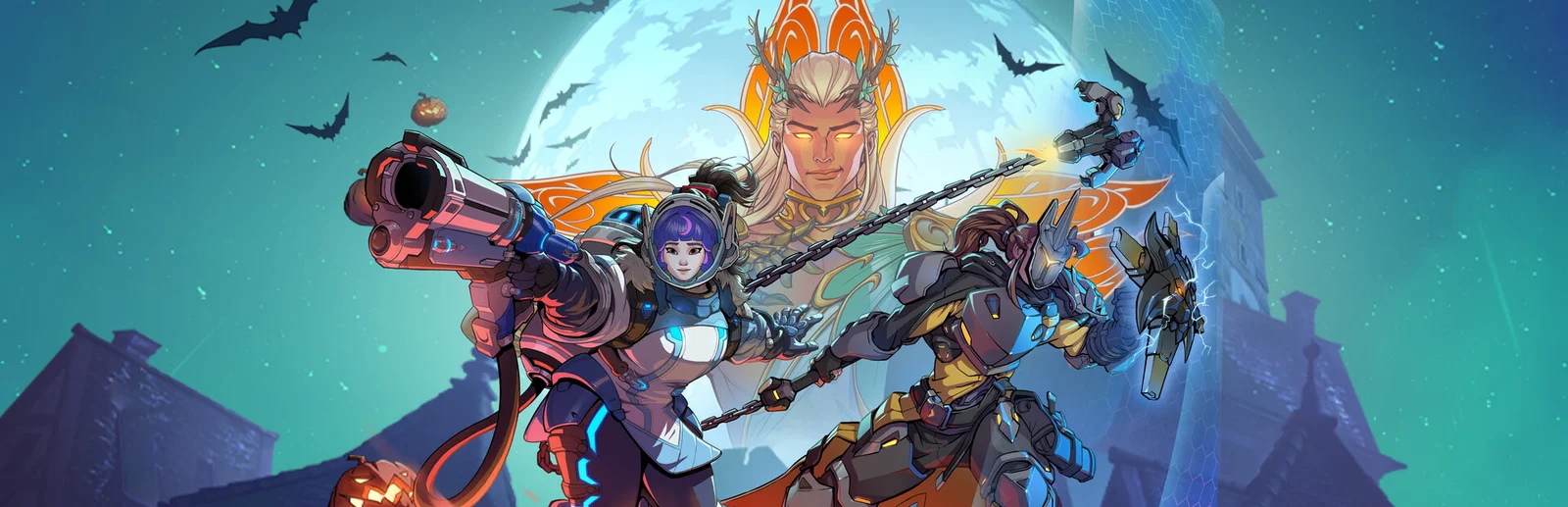
Overwatch puts distinctive heroes into team-based action, with tank, damage and support roles offering different ways to contribute.
PlayNorio / from the source
Hand-picked videos matched to this exact game or edition. Player loading is optional; the original source stays one click away.
1 publisher-attributed video · Playback availability varies
Official gameplay trailer
Source: PlayOverwatch. Official Blizzard Overwatch original gameplay trailer (2014), not current Overwatch gameplay.
PlayNorio is independent and not affiliated with the video creator. Preview images use game artwork rather than video frames. Third-party YouTube playback loads only after you choose Play. Embedding and playback availability are controlled by the video owner and YouTube.
Overwatch puts distinctive heroes into team-based action, with tank, damage and support roles offering different ways to contribute. Blizzard's central invitation is to build a squad and work together rather than treating each character as an isolated duellist. For a new player, the important discovery is what helps the team keep moving toward its objective. Start with a hero whose abilities are easy to explain, then learn how the surrounding team changes the opportunities you can safely take.
Open an image for a closer look. Source and edition details are linked below each image.
Images belong to their respective rights holders. Commercial reuse review is pending.
Blizzard describes tanks as the front line, damage heroes as offensive threats and supports as the characters who sustain or empower teammates. These are useful starting ideas, not permission to ignore what is happening around you. Watch whether the team is ready before committing to a fight and notice which teammate is under pressure. A good first learning goal is to recognise when your own action helps someone else do their job rather than measuring the whole match through personal eliminations.
Use quieter moments to reconnect with your group, review the objective and decide where the next engagement is likely to happen. Familiarity with a route or a useful line of sight can make a hero's abilities easier to use deliberately. After a loss, ask whether the group entered together or arrived one player at a time. This is an editorial approach to learning team play; it does not promise a specific tactic works on every map or in every available mode.
Overwatch is an evolving game, and Blizzard's site lists both ongoing updates and different ways to play. Read a mode's rules before using assumptions from a different queue. The official overview describes a core 5v5 experience, but that should not be read as a claim that every event or mode uses the same format. Use the current hero information and patch notes when an old tutorial disagrees with the client. Build understanding around your chosen hero rather than chasing every new recommendation at once.
Editorial suggestions based on the systems described above. These are starting ideas, rather than a claim of hands-on testing or advice for a particular patch.
Blizzard’s overview identifies Tank, Damage and Support, with distinct responsibilities for the team.
This guide does not make that claim. Blizzard’s main overview describes a core 5v5 experience; check the specific queue or event rules.
Tank, damage and support describe different ways to contribute to an Overwatch fight. A tank can help the team contest space, damage heroes can pressure opponents and supports can enable allies through more than healing alone. Watch where those contributions meet. An aggressive position can become isolated if teammates cannot see it, reach it or support the action it is meant to create.
A fight away from the route or control area may be entertaining without helping your team progress. Before following an opponent, ask whether the action protects an ally, removes a useful threat or opens the objective. You do not need to force every decision into a single rule, but you should be able to explain why you left the team’s shared task.
A hero’s kit is easier to understand when you notice what changes after you use an important ability. Can you still escape, protect a teammate or respond to pressure? Save the largest decisions for situations you can describe, rather than using every available tool at once simply because a fight has started. Familiarity helps you notice those opportunities without rereading the entire kit during play.
For a focused session, review one elimination from the moments before it happened. Where was your nearest cover? Which allies could affect the fight? What did your movement ability or defensive tool allow? Then choose one adjustment for the next match.
Blizzard describes support tools that can also protect, strengthen or disrupt. Read the chosen hero’s abilities and decide how those tools help the team’s immediate plan.
It is useful information, but examine where and when those eliminations happened. Consider whether your pressure created space or time that the team could use to advance its objective.
Use the publisher or developer listing for current screenshots, trailers and product details. No video is embedded here without a title-specific source record.
The factual foundation for this profile comes from the first-party pages below, checked on 31 October 2026. The explanation and practical suggestions are PlayNorio’s editorial interpretation. Availability, service features and platform support can change.