
Official cinematic trailer
A New Dawn | Cinematic - League of Legends
Source: League of Legends. Official Riot Games cinematic; not real match footage.

League of Legends turns a five-player team into a collection of interdependent decisions.
PlayNorio / from the source
Hand-picked videos matched to this exact game or edition. Player loading is optional; the original source stays one click away.
1 publisher-attributed video · Playback availability varies
Official cinematic trailer
Source: League of Legends. Official Riot Games cinematic; not real match footage.
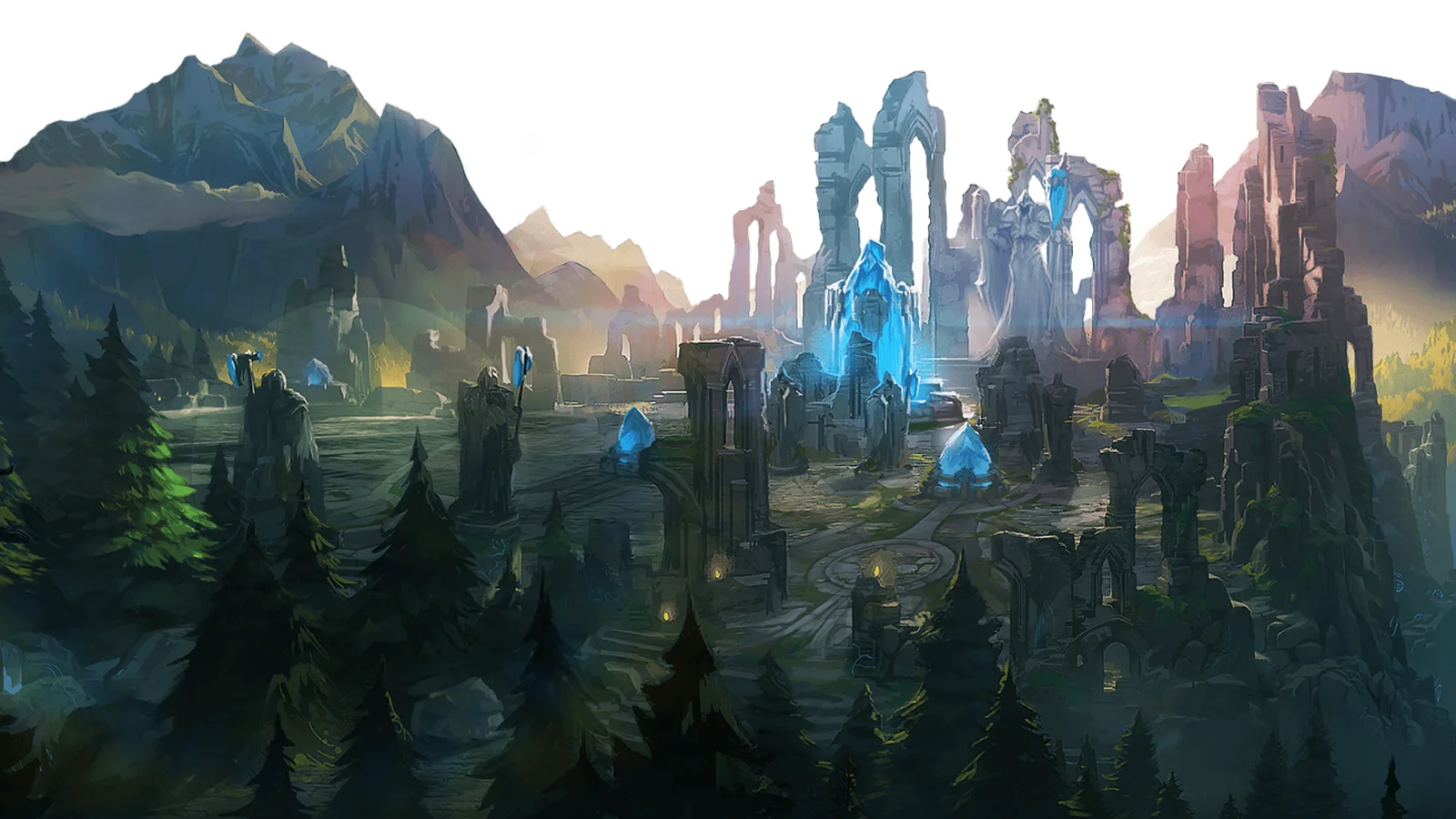
PlayNorio is independent and not affiliated with the video creator. Preview images use game artwork rather than video frames. Third-party YouTube playback loads only after you choose Play. Embedding and playback availability are controlled by the video owner and YouTube.
League of Legends turns a five-player team into a collection of interdependent decisions. Riot's central objective is destroying the opposing Nexus, with lanes, defensive structures and jungle objectives shaping how teams reach it. Champions supply different abilities and responsibilities, while gold and experience change their strength during a match. The learning challenge is connecting those systems: an impressive individual fight matters most when it helps the team move closer to a useful objective.
Open an image for a closer look. Source and edition details are linked below each image.
Images belong to their respective rights holders. Commercial reuse review is pending.
Riot's beginner guide puts the Nexus at the centre of the game and explains the structures that protect the route to it. Keep that larger purpose in view when a match becomes busy. Ask what a won fight allows your team to do next, rather than measuring every decision by eliminations alone. Watching the lanes and checking nearby teammates can help you recognise whether to continue advancing, regroup or return to a safer position before the next objective develops.
Top, jungle, mid, bot and support give a new player a way to organise the map. Choose one role and a straightforward champion long enough to understand your basic responsibilities. Read the ability descriptions, practise their range and notice which resources restrict repeated use. A familiar champion lets you spend more attention on the map and less on unfamiliar buttons. Experimenting is valuable, but changing everything at once makes it harder to identify why a particular match felt different.
Gold purchases and experience are part of how champions become stronger within a game. Use quiet moments to think about your next purchase or ability improvement, then return with a clear task. A useful personal review is to pick one missed opportunity, such as arriving late to a group decision, and work on that in the next game. Exact item values, champion balance and modes change, so use the current client and Riot's updates instead of treating this starting framework as a fixed build guide.
Editorial suggestions based on the systems described above. These are starting ideas, rather than a claim of hands-on testing or advice for a particular patch.
Riot identifies destroying the enemy Nexus as the win condition in its core beginner guide.
No. It explains the basic decision structure; use the current client and Riot updates for patch-specific item and champion changes.
Minions, turrets and the route toward the Nexus give your decisions a direction. Before leaving a lane, look at the approaching wave and ask what your departure allows either team to do. A chase that loses useful ground deserves a different assessment from one that protects a structure.
Riot’s guide separates experience, gold and item purchases because they change what a champion can attempt. For your next match, choose one familiar champion and explain your next purchase in plain language: surviving pressure, dealing damage or helping an ally. Treat the item recommendation as a starting question, then compare its purpose with the situation you actually face.
Vision is a team resource. A ward is most useful when its information changes a decision: whether to advance, retreat or approach an objective together. Rather than copying a ward position without context, identify the route you are worried about and the action you want that information to support. Avoid walking into darkness merely to prove that an enemy might be there.
Try a small review after each game: remember one movement away from lane, what you knew before moving, and what you learned afterward. If the plan failed, separate the decision from its execution. You might have chosen a sensible objective but arrived alone, or won a fight that served no larger purpose.
Trying different positions can help you understand the map, but a smaller champion and position pool gives your practice a clearer comparison. Expand when you can explain what your usual role contributes and which situations still confuse you.
Use it as one piece of information. League’s objective is the opposing Nexus, so also consider the structures, map access and team opportunities your decisions helped create.
Use the publisher or developer listing for current screenshots, trailers and product details. No video is embedded here without a title-specific source record.
The factual foundation for this profile comes from the first-party pages below, checked on 31 October 2026. The explanation and practical suggestions are PlayNorio’s editorial interpretation. Availability, service features and platform support can change.